Who Does Your Free Content Around Your Expertise Really Serve?
Measuring Results and ROI | Learning Out Loud, Part 1
Learning Out Loud is a series where I share what I’m learning as a newly published author and solopreneur, as I learn it.
If you’re an author, a specialist or an expert in your field, you know the requests. Come on our podcast. Record a few video clips for our site. Give a virtual keynote we’ll host. Write a piece for our members. All free, and all “great exposure.” Free speaking engagements and content requests can feel like a compliment, and sometimes they are. But every one of them takes prep, expertise and hours you don’t get back.

For me, the flood started when my book The AI Adoption Traps came out. Suddenly everything was “to help promote your book.” Here’s my reality. I’m a solopreneur running a woman-owned business, and I make my living delivering projects, workshops and keynotes, and through advisory consulting and coaching. My time and energy are my inventory. Plenty of you, my fellow change folks, are in the same boat, whether you’re independent, building a practice or writing a book of your own. We all have a limited supply of time and energy. So before I say yes, I’ve recently learned I have to ask a different question. Who does this content really serve?
Free has worked for me
I’m not here to tell you to say no. Free appearances on Change Management Review, podcasts and webinars have moved my name up in our industry. People recognize it now. I’ve gotten job leads because someone heard me and recommended me, and I’ve taken contracts because of it. When a recruiter or a prospective client checks whether I’m legit, those appearances show up. That’s real value. But not every yes pays off like that, and the reason has changed.
Sometimes the value is the relationship. Teresa Moulton of Change Management Review and Melanie Franklin both endorsed my book. Like me, they’re independents in our field, and they create a deeper connection for all of us working in this industry as a community. That’s a service they provide. So when they need content for their offerings, their books and the courses they deliver, I see value in saying yes. It flows both ways, and it strengthens the community we’re all part of.
What’s actually going on with search and AI answers
AI answer engines like ChatGPT, Perplexity and Google’s AI answers increasingly give people one answer instead of a list of links. They build that answer from pages that look like an authority on the topic. When a host records you, transcribes it, clips it and posts it on their site, your expertise builds their authority. Someone asks a question you’re known for, and the answer may cite their page. Or it may share your idea with no name on it at all. Many podcasts are also lead generation for the host. You bring the content and the prep. They keep the audience relationship.
Visibility is not value
In my AI adoption work I say activity is not adoption. The same goes for your content. I use an Evidence Ladder I created to measure change, and it works here too:
- Activity: downloads, views and clips posted. Easy to count. Proves little.
- Behavior: people search your name, mention you and recommend you.
- Performance: leads, contracts, book sales and paid speaking.
- Capability: a name that brings work to you without you chasing it.
If an appearance only ever shows up on the first rung, that’s all hat and no cattle. It looks the part, but nothing comes home to the ranch.
Here’s one of mine. I spent hours prepping for a podcast where the host looked like they had about 20,000 followers. In reality, about 20 people listened to the show. Most of the conversation went to the host’s services and ideas, and the episode links pointed to their offerings, not mine. I don’t fault the host. They were building their ranch, and that’s what they should be doing. But for me, that appearance never got past the first rung. It was activity, and barely that. No one searched my name because of it, and no calls came from it. That’s not a story about a bad host. It’s a story about me saying yes before I asked the questions.
Before you say yes to free speaking engagements
If you’re a specialist who owns your own business, here’s the list I use now. It’s grouped so you can run through it in a few minutes before you reply.
Fit
- Is their audience my buyer, or just a big audience?
- Does this match the work I sell and want more of?
- Is this a relationship I want to invest in, one that gives back over time?
Cost
- How many hours will prep, delivery and follow-up take?
- What paid work does that time come from?
- Am I sharing what I already have, or creating something new for them?
Ownership
- Who owns the recording, the transcript and the clips?
- Can I get the raw files and reuse them on my own site and channels?
- Will my name, title and book be credited on every version, transcripts included?
Return
- Where do the links point: to my site and book, or only to theirs?
- What do they give back? Promotion, an email to their list, an intro, a testimonial?
- Are they charging for access? If people pay to see it, is there a fee or a share for me?
Measurement
- What will I watch afterward to know it worked?
- Will they share their numbers, such as attendance, downloads and clicks?
None of these are gotchas. A good host will have answers, and a fair exchange is one both sides can say yes to with eyes open. If the questions make a host squirm, that tells you something too.
Where to spend your time so search and AI find you
For a solopreneur, an hour spent on your own site keeps paying you back. An hour spent on someone else’s site often keeps paying them. So I think of it this way: own your ranch, rent the rodeo. Your website is the ranch. Podcasts, webinars and other people’s stages are the rodeo. Show up at the rodeo when it’s worth it, and make sure the road leads back home.
Here’s where I put my time now:
- My own site first. I publish the full version of my ideas on my own domain, in plain words, answering the questions my buyers actually ask. Each article gets a Quick Answers section, my name and my framework names. AI tools look for clear answers from a credible source, and this gives them one.
- Every outside appearance points home. I ask for a link to my site and book in the show notes, my name and title in the transcript and the raw files. Then I post my own short recap on my site with the key points in my words and a link to the episode. Now the idea lives on my domain too.
- The same me, everywhere. Same name, title, bio, book title and framework names on my site, LinkedIn, my Amazon author page and every speaker bio. When the details match, search engines and AI tools connect the dots back to one person.
- Deep on a few ideas. I’d rather own the AI Adoption Traps and the Evidence Ladder than chase every trend. Depth builds authority. Volume mostly builds noise.
- Make once, use many times. One keynote becomes an article, a LinkedIn post, a Quick Answers section and a workshop module. I create it once and publish it in my own channels again and again.
This is where the Evidence Ladder earns its keep. Time on your own home base climbs the ladder: people find you, search your name and call. Time that only feeds someone else’s site tends to stall on the first rung.
What AI search actually finds, format by format
Here’s the layer most of us miss. AI answer engines mostly read text. If your words aren’t on an open web page, in writing, they’re hard for search and AI tools to find, no matter how good the conversation was. Here’s how the formats stack up, from most findable to least:
- Articles on open web pages. The easiest for AI tools to read and cite. Best of all on your own site, where the authority builds for you.
- Video on YouTube. Titles, descriptions and captions get read, and Google’s AI answers often pull from YouTube. Your name in the title and description matters.
- Podcasts. The audio itself is mostly invisible. What gets found is the show notes and the transcript, and those usually live on the host’s site, building the host’s authority.
- Virtual keynotes and webinars. Usually behind a registration page, so search and AI tools can’t see them at all. They only count if a recording or recap gets posted in the open.
- Short clips on social media. Great for people. Weak for AI search, since clips and captions on social platforms are hard for these tools to read.
So how do you become the authority? It comes down to a few things:
- Own the text version. After every podcast, vodcast or keynote, post the key ideas in writing on your own site. The rodeo gets the conversation. Your ranch gets the words.
- Be one clear person online. The same name, title, bio and book everywhere, plus an author page on your site that pulls it all together. AI tools connect the dots when the details match.
- Name your ideas and define them the same way every time. A named framework tied to your name is easier for AI to attribute than a general opinion.
- Answer real questions in plain words. Quick Answers and FAQ sections give AI tools clean answers to pull from.
- Let the rodeo point home. Mentions and links from reputable sites back to yours tell search and AI tools you’re the real deal. That’s where outside appearances earn their keep.
Advice I’m giving myself
I’m learning this out loud, so here’s the advice I’m giving myself. First, know what the yes is for: recognition, a relationship or a lead. Then ask the questions that make sure every rodeo also builds my ranch and moves me up the ladder. They change with the format.
Podcasts (audio)
- Will the show notes name me and link to my website and book page?
- Will there be a transcript, and will my name, title and framework names be spelled right in it?
- Can I get the audio file so I can post my own recap on my site?
- Will they tag me when they promote the episode?
Vodcasts and video interviews
- Can I get the full video and the right to cut my own clips?
- Will the video title and description name me and link to my site?
- Will my name and website show on screen?
- Where will the clips live (YouTube, their site, social), and will they tag me there?
Articles, video clips and other material for their site
- Is it under my byline, with my bio and a link to my site?
- Can I republish it on my own site after a set time, with a note on where it first appeared?
- Is it behind their paywall or inside a paid course? If so, what’s my share?
Virtual keynotes and webinars
- Are attendees paying for tickets or membership? If people pay, what’s my fee?
- Can I offer a free resource that sends attendees to sign up on my site?
- Can I get the recording, and where will it be posted?
- Will they share attendance and follow-up numbers with me?
My habits for every yes
- Set a budget for free. A set number of free appearances each quarter, so free doesn’t eat the paid work.
- Say yes to community. When fellow independents like Teresa and Melanie ask, the value flows both ways.
- Bring it home within a week. A recap on my own site, in my words, with a link back.
- Check the ladder every quarter. Keep what moved me up the rungs and drop what didn’t. Good enough for now, safe enough to try.
That’s my list for now. I’ll check back in a quarter and tell you what worked.
When everybody’s broadcasting, nobody’s listening
There’s more content out there than anyone can consume, and AI keeps flattening it into a single answer. Volume isn’t the edge it used to be. Depth and trust are. Fewer appearances, in the right rooms, with your name and your links attached, will beat a pile of clips feeding someone else’s search ranking.
Our time and energy are limited, folks. Spend them where the value flows both ways. Sometimes a free yes serves you both, and that’s a yes worth giving. You choose. There’s always a choice.
Quick Answers
Are free speaking engagements worth it for authors?
They can be. They pay off when the audience is your buyer, your name and links are attached and you can reuse the content. Judge them by the leads and contracts they bring, not the downloads.
How do AI answer engines change podcast and guest appearances?
AI tools build answers from pages that look authoritative. Content posted on the host’s site builds the host’s authority, and your idea may show up without your name. Ask for credit, links and the raw files so the value reaches you too.
What should I ask before saying yes to a free podcast or keynote?
Ask whether their audience is your buyer, how much prep it takes, who owns the recording, where the links point and how you’ll know it worked. A good host will have clear answers.
How do I measure whether a free appearance worked?
Look past views and downloads. Watch for people searching your name and recommending you, then for leads, contracts, book sales and paid speaking that trace back to it.
Where should authors and speakers spend their content time for SEO and AEO?
Start with your own website. Publish the full version of your ideas there, with clear answers, consistent names and a Quick Answers section. Then make every outside appearance link back to it, and post your own recap so the idea lives on your domain.
Which content formats do AI search tools find best?
Written articles on open web pages are the easiest for AI tools to find and cite, followed by YouTube videos with good titles, descriptions and captions. Podcast audio, webinars behind registration and social media clips are much harder to find unless the ideas are also posted in writing on an open page.
More on measuring what matters
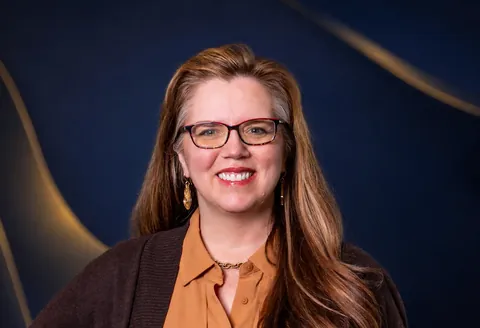
Dana Houston Jackson is Founder and Principal Change Architect of Change – With a Coach Approach, LLC, author of The AI Adoption Traps and co-author of the upcoming Leading a Five-Generation Workforce (April 2027). A straight-talking Texan with 30 years of experience, she helps leaders make change less confusing, less painful and far more useful. She holds a master’s degree in Organizational Change Leadership and is a PMP, CCMP, Prosci trainer and ICF Professional Certified Coach. Visit changewithacoachapproach.com or connect on LinkedIn at linkedin.com/in/danahoustonjackson.